01 / FUND
Pay the instructor
Direct stipends and program grants to the people already teaching children with disabilities. A $3,000 grant underwrites a full 16-week term serving 10–15 children.
The budget, line by line → Dance Without Limits
More than eight million American students receive special-education services. Their families are looking for a place to move — and most studios cannot yet answer. We fund the instructors, build the curriculum and open the floor.
8.1 million students ages 3–21 received special-education services under IDEA in 2024 — up 3.8% in a single year.
Council for Exceptional Children, analysis of 2024 IDEA data · sourceNine in ten studios have been approached by families seeking inclusive classes. Three in four parents say adaptive classes matter to them.
The Dance Ability Movement, community needs assessment · sourceMost adaptive programs that do exist run on one unpaid instructor's goodwill — in a church basement, a community centre, an after-school room. When that person moves on, the program disappears.
A program that depends on one volunteer is not access. It is luck.Three pillars, one outcome: an adaptive class that survives its founder.
Direct stipends and program grants to the people already teaching children with disabilities. A $3,000 grant underwrites a full 16-week term serving 10–15 children.
The budget, line by line →Adaptive dance curricula a volunteer can actually run, with specific guidance for autistic children and children with Down syndrome, cerebral palsy, intellectual disabilities or sensory processing differences.
For instructors →The World Dance Foundation platform already connects 1,280 studios in 69 countries. We use it to find unmet need, match trained instructors and measure every program.
Open your doors →Sixteen weeks. Ten to fifteen children. Every dollar on the table below is a published line, and where a partner studio donates its space, the $600 stays in the program — extending the term or seeding a second cohort.
Fund a termTwo meta-analyses — one across children with disabilities, one across fourteen studies of cerebral palsy — measured dance on four dimensions and found large overall effects. Read the evidence page.
Gross motor skills, balance, coordination, strength and flexibility.
Memory, sequencing and sustained attention, built through choreographed patterns.
Reduced anxiety, improved self-esteem, body awareness and physical confidence.
Communication, reduced isolation and a real sense of belonging among peers.
Rings are illustrative of the four measured dimensions, not effect sizes. Sources on the evidence page.
Every point is a studio on the World Dance Foundation platform. We use that map to find communities with unmet need — and to make sure a program that starts is a program that lasts.
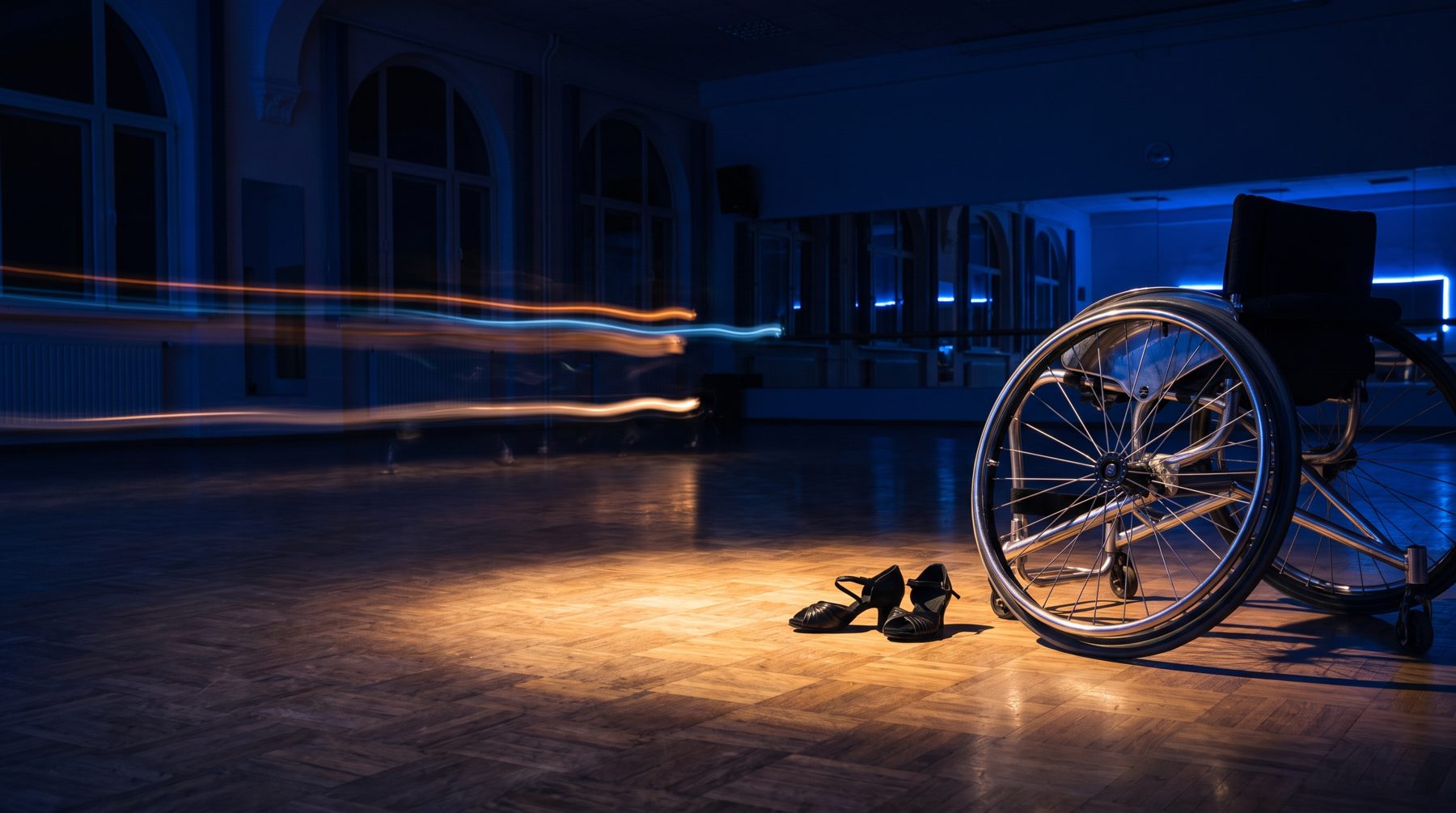
$3,000 underwrites one complete adaptive program for a full term. Named funds and foundation gifts welcome.
What a gift becomes →
Already teaching adaptive dance, or want to learn? Training, curriculum, funding and backing that makes your program durable.
Express interest →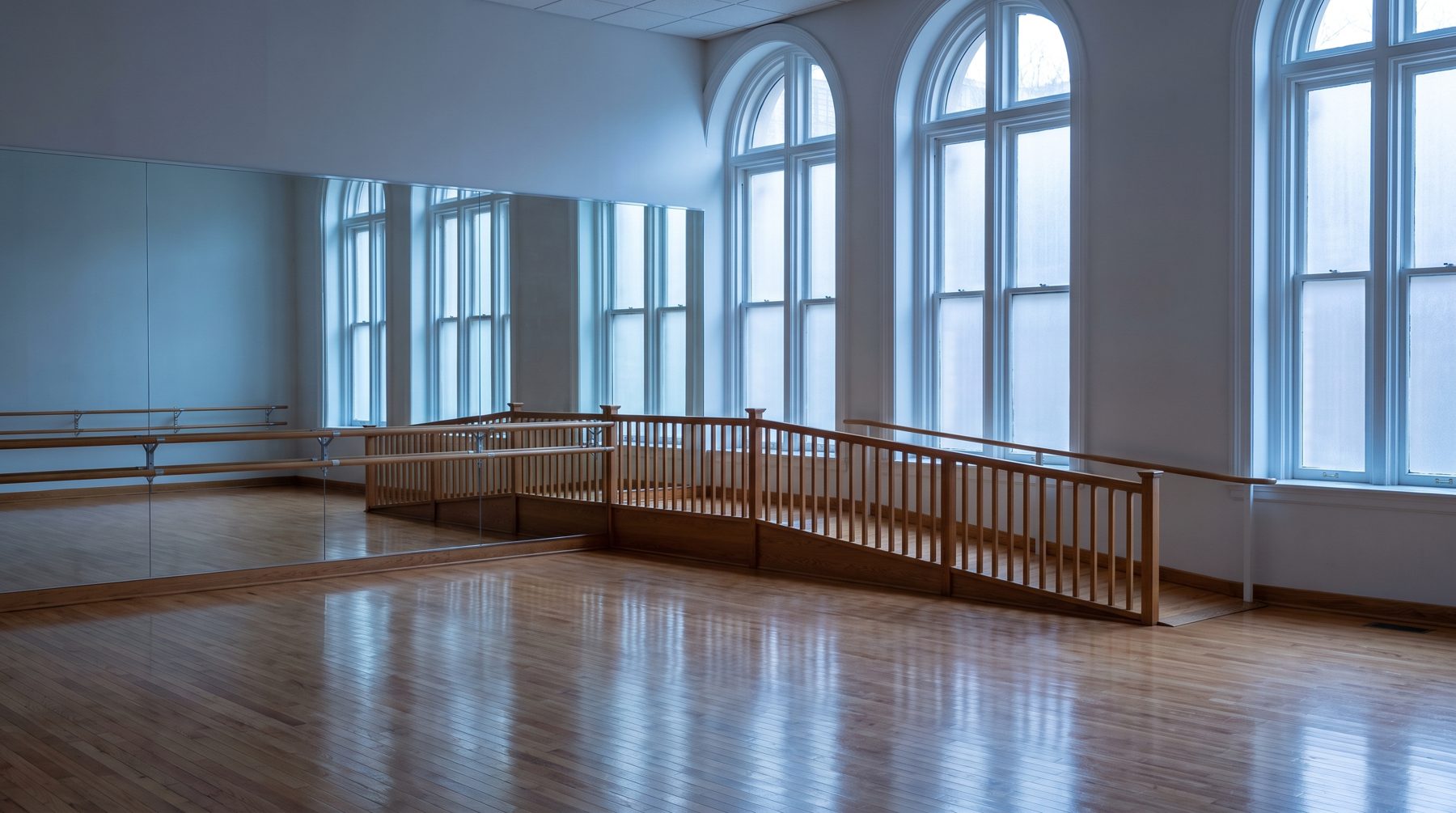
Donate one accessible hour a week and send $600 a term straight back into the program.
Become a host studio →